

The recovery time myth ⏳
Undergoing aesthetic surgery is only the first step toward achieving your desired physical changes; the true results are sculpted during the post-operative recovery process. In the realm of post-surgical care, there are no «miracles» or shortcuts. There is only science, anatomy, and an absolute respect for human physiology.
To guarantee an optimal, safe, and long-lasting outcome, it is fundamental to understand how the human body responds to surgical trauma and which evidence-based clinical measures truly make a difference.
The Real Timeline of Post-Surgical Inflammation
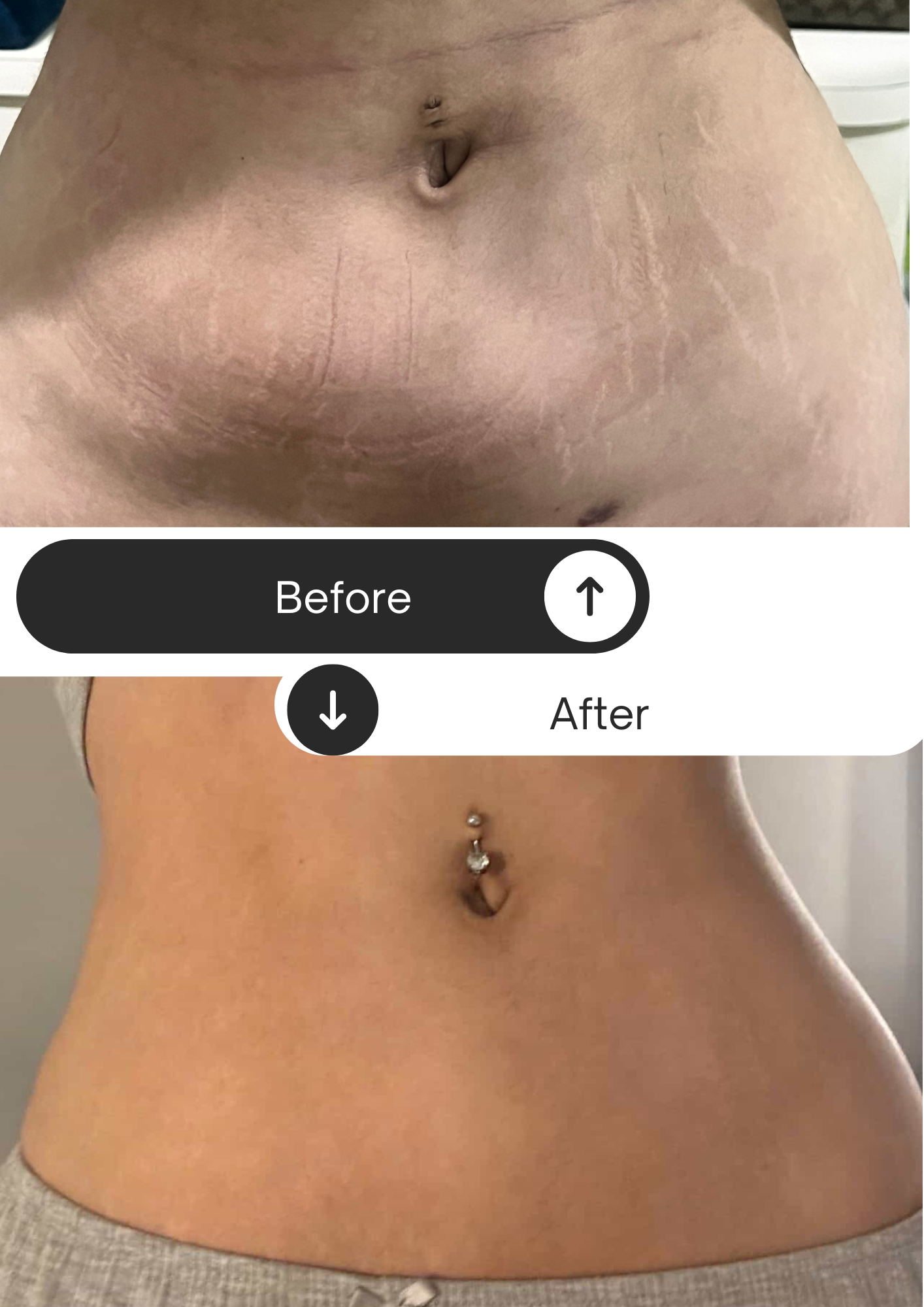
One of the greatest myths in the industry is expecting definitive results within just a few weeks. Clinically, the deep inflammatory process at the cellular level takes approximately 5 months to fully resolve. However, when we implement correct recovery protocols rooted deeply in anatomy and physiology, we can achieve excellent tissue rehabilitation and highly satisfactory results by the 3-month mark.
Reaching this 3-month milestone is not an accident. It requires expert management of fluid dynamics and a strict commitment to the core pillars of post-operative care.
Manual Lymphatic Drainage (MLD): Phases and Physiology
True Manual Lymphatic Drainage (MLD) is not about «detoxifying» the body or «eliminating toxins»—those are unscientific marketing buzzwords. From a clinical perspective, MLD is strictly a matter of fluid dynamics. Grounded in Starling’s Law, we use precise, specialized manipulations to manage interstitial fluid load and reduce edema without collapsing the fragile, recovering lymphatic network.
Clinical Protocol Reminder: MLD must always be performed with the patient in a supine or recosted position. Performing lymphatic drainage on a standing patient is clinically contraindicated, as gravitational interference completely disrupts correct fluid dynamics and lymphatic return.
Acute Phase (First Weeks): The objective is to reduce deep edema using extremely gentle maneuvers that stimulate lymphatic capillaries without compressing or damaging them.
Remodeling Phase: We continue to facilitate lymphatic return while the underlying tissue begins its deeper scarring and remodeling process.
Strict Contraindications: What NOT to Do During any phase of post-surgical recovery, the tissue is actively healing from significant trauma. Therefore, aggressive techniques are strictly contraindicated. This includes wood therapy (maderoterapia), forceful manual massages, and device-driven modalities like cavitation, which severely damage recovering tissue. Furthermore, the practice of reopening surgical incisions to manually «drain» fluid is entirely unscientific, highly harmful, and poses a severe risk of infection.
The Essential Pillars of a Successful Recovery
Beyond professional clinical sessions, a patient’s daily habits at home dictate the quality of their healing. The following scientific pillars must be maintained:
Daily Walking: Walking is not just light exercise; it is pure physiology. Walking activates the calf muscle pump, which is essential for driving venous and lymphatic return back to the heart. This prevents thromboembolic complications and accelerates edema reduction through a biological process known as mechanotransduction.
Optimal Hydration: The lymphatic system relies entirely on water to transport fluids. Maintaining an adequate intake of liquids ensures that the interstitial matrix maintains the correct viscosity, allowing fluid to move efficiently through the lymphatic pathways.
The Right Dose of Vitamin C: Vitamin C is not merely an immune booster; it is an indispensable co-factor for collagen biosynthesis. A clinically appropriate dose supports the repair of damaged tissues, strengthens blood vessels, and optimizes both internal and external scarring.
8 Hours of Restorative Sleep: Cellular recovery and tissue repair do not occur while we are active. During deep sleep stages, the body releases growth hormones, downregulates inflammatory cytokines, and accelerates tissue healing.
An Intelligent Compression Garment (The Faja): A post-operative compression garment is a specialized medical device, not an aesthetic corset. It must provide firm yet graduated pressure. If a garment is excessively tight, it will collapse the fragile superficial lymphatic capillaries, completely blocking fluid drainage, worsening edema, and risking tissue ischemia due to restricted blood flow.
Conclusion
A successful post-operative recovery requires patience and adherence to scientific principles. By respecting your body’s anatomy and trusting professionals who understand the true dynamics of fluid mechanics and tissue healing, you safeguard not only the aesthetic beauty of your results but your long-term health.
