
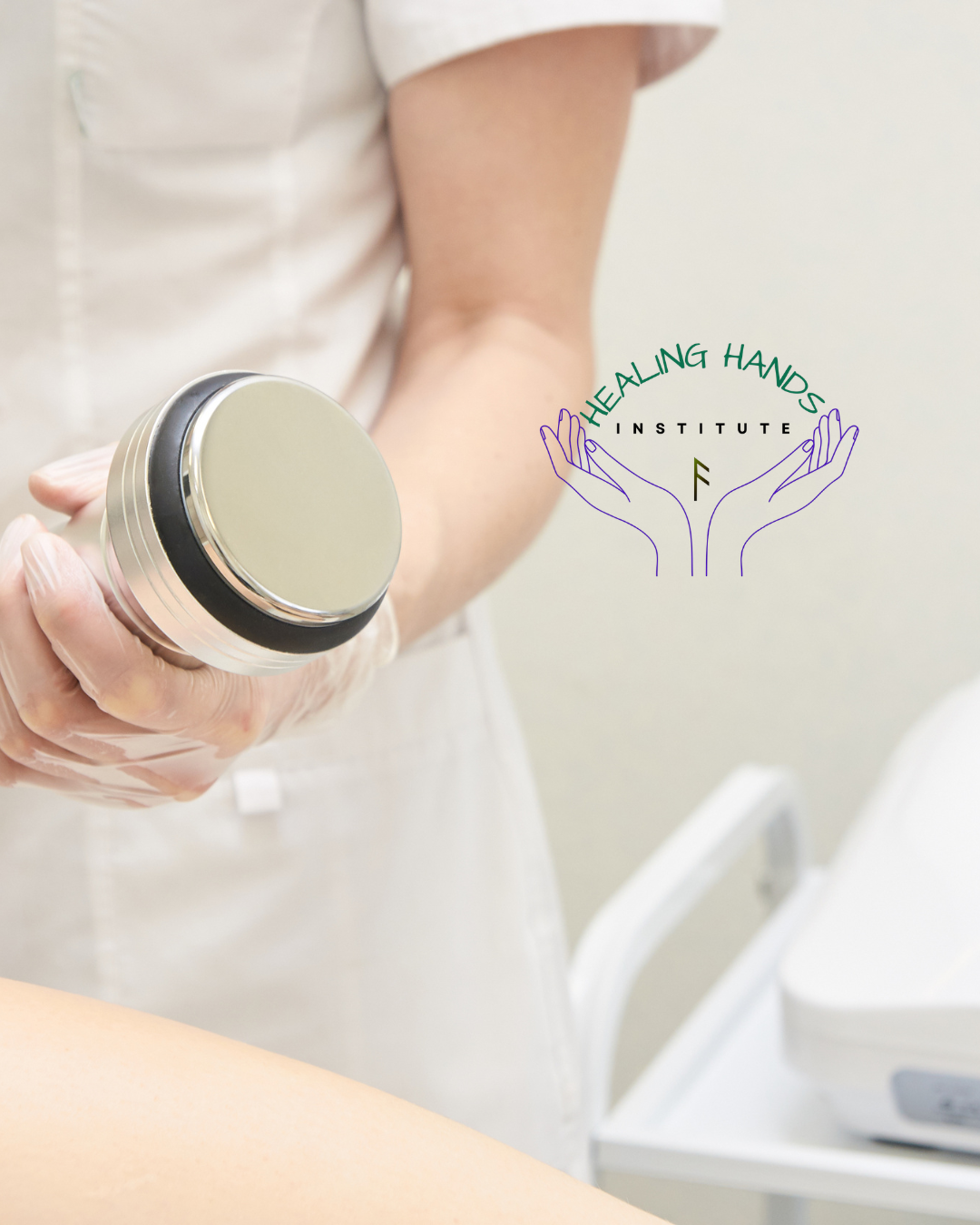

Postoperative Cavitation: An Unnecessary Risk to Surgical Recovery
In the realm of post-surgical aesthetics, there exists a very fine line between treatments that facilitate recovery and those that compromise the integrity of tissue undergoing repair. One of the most common and critical errors is the application of cavitation during the immediate or early post-operative period.
Although cavitation is frequently promoted as a tool for reducing localized fat, its physical mechanism of action is diametrically opposed to what a body requires following cosmetic surgery, such as liposuction or abdominoplasty.
Mechanism of Action vs. The Physiology of Healing
Cavitation operates based on the controlled generation of vacuum microbubbles within the interstitial fluid, induced by low-frequency ultrasound waves. These bubbles implode, releasing thermal and mechanical energy (shockwaves) intended to rupture the adipocyte membrane.
Following a surgical intervention, the tissue is in a state of acute inflammation and vascular vulnerability. Introducing an implosive mechanical force into this scenario entails severe clinical risks:
Disruption of the Angiogenesis Process: After surgery, the body works intensively to form new blood vessels (neovascularization). The shockwaves produced by cavitation can destroy these immature capillaries, leading to microhemorrhages and delaying the healing process.
Risk of Seromas and Hematomas: The vibration and heat generated can increase capillary permeability and destabilize tissues that have not yet properly adhered to the muscular plane, thereby promoting the accumulation of serous fluid or blood.
Alteration of Starling’s Law: In the post-operative period, the pressure balance within the vascular microenvironment is precarious. Cavitation drastically alters local hydrostatic pressure, which can exacerbate edema rather than reduce it.
Compromise of Sensation and Neural Tissue: Nerve endings that were severed or inflamed during surgery are extremely sensitive. Cavitational energy can cause transient neuropathies or chronic pain due to mechanical irritation.
Impact on Dermal Structure
One of the greatest risks is tissue necrosis. Uncontrolled deep heating can compromise the viability of skin flaps that already possess a compromised blood supply. Rather than smooth skin, the premature or improper use of this technology can result in severe fibrosis or irregularities in the skin surface that are difficult to correct retrospectively.
Clinical Conclusion
Post-surgical recovery must be guided by an absolute respect for anatomy and lymphatic physiology. While evidence-based manual techniques—such as Manual Lymphatic Drainage (MLD)—work in harmony with the body’s natural pressure gradients, cavitation acts as an aggressive agent that disrupts the biological repair cascade.
To ensure an optimal aesthetic outcome and guaranteed patient safety, the use of cavitation should be ruled out during the critical stages of recovery. The absolute priority must always remain cellular regeneration and the hemodynamic stability of the tissue.
