
Why Your Body Can’tWork While Standing

Section Title

The Art and Science of Postoperative Recovery: A Clinical Guide to Real Results

The recovery time myth ⏳ Undergoing aesthetic surgery is only the first step toward achieving your desired physical changes; the true results are sculpted during the post-operative recovery process...

Why Your Body Can’tWork While Standing

Section Title Why Your Body Can’tWork While Standing Bygloriarenas66 12.05.2026 Blog Section Title Postoperative Cavitation Bygloriarenas66 05.04.2026 Blog,POST OP Postoperative Cavitation: An...
Postoperative Cavitation

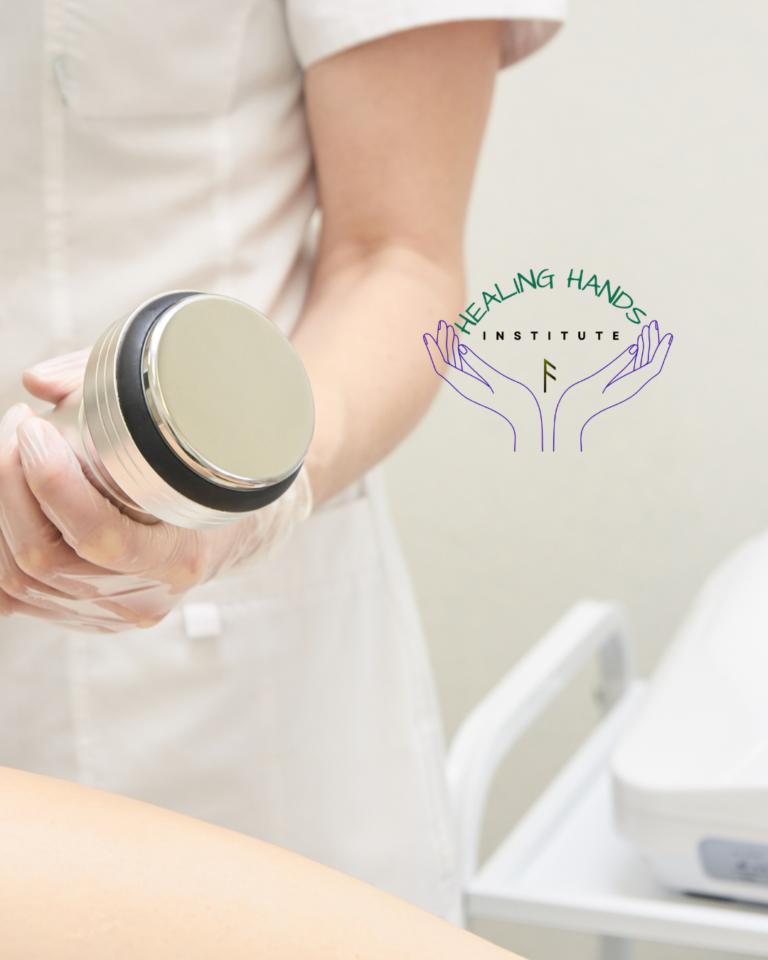
Postoperative Cavitation: An Unnecessary Risk to Surgical Recovery In the realm of post-surgical aesthetics, there exists a very fine line between treatments that facilitate recovery and those that...
❌ What is NOT a Professional Post-Operative Care (and why it is dangerous)

Squeezing or «pressing» incisions:1- The mistake: Forcing fluid out by pressing on open wounds.The scientific reality: This traumatizes the tissue, breaks healthy capillaries, and increases the risk...
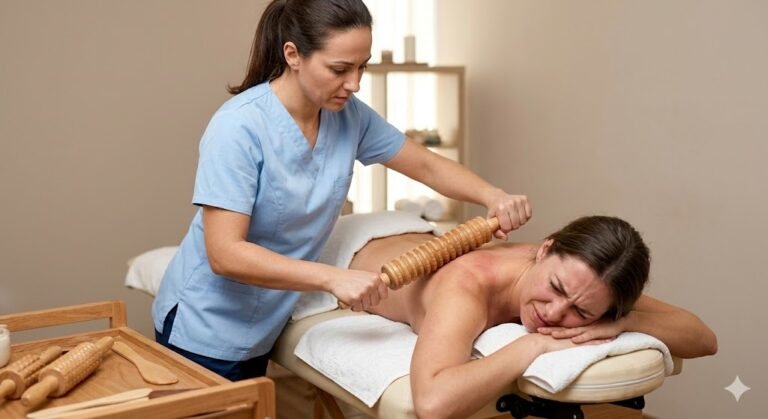
The Risk of Wood Therapy on Post-Surgical Tissue

The application of wooden instruments (wood therapy) to tissue in the acute or subacute recovery phase contradicts the biological principles of tissue repair for the following reasons:Mechanical...
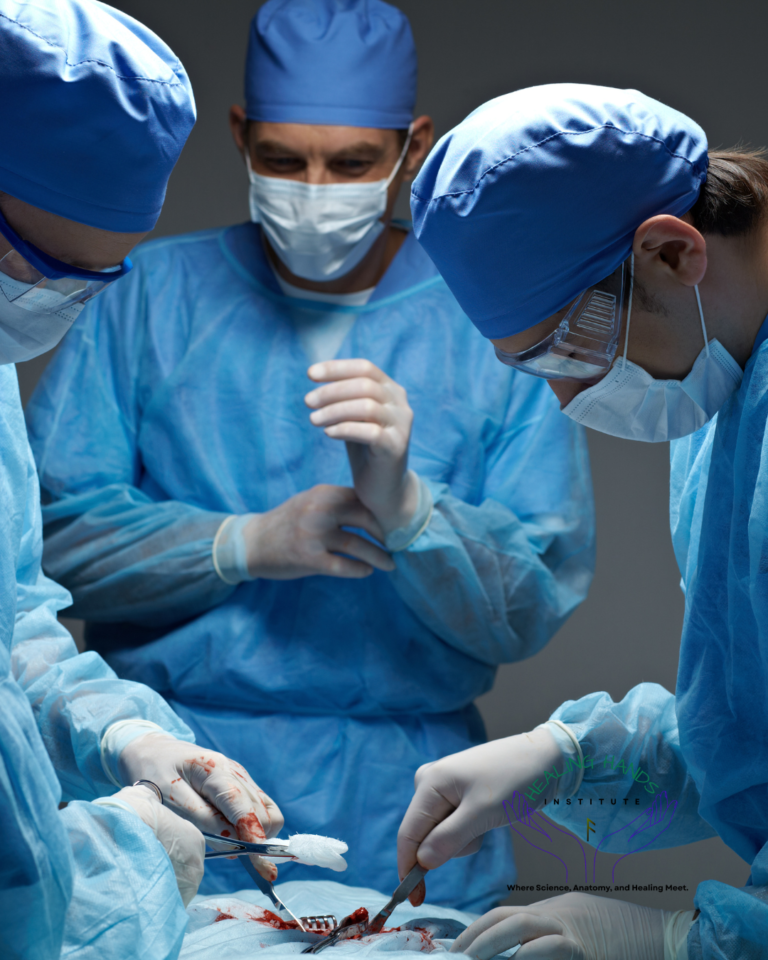
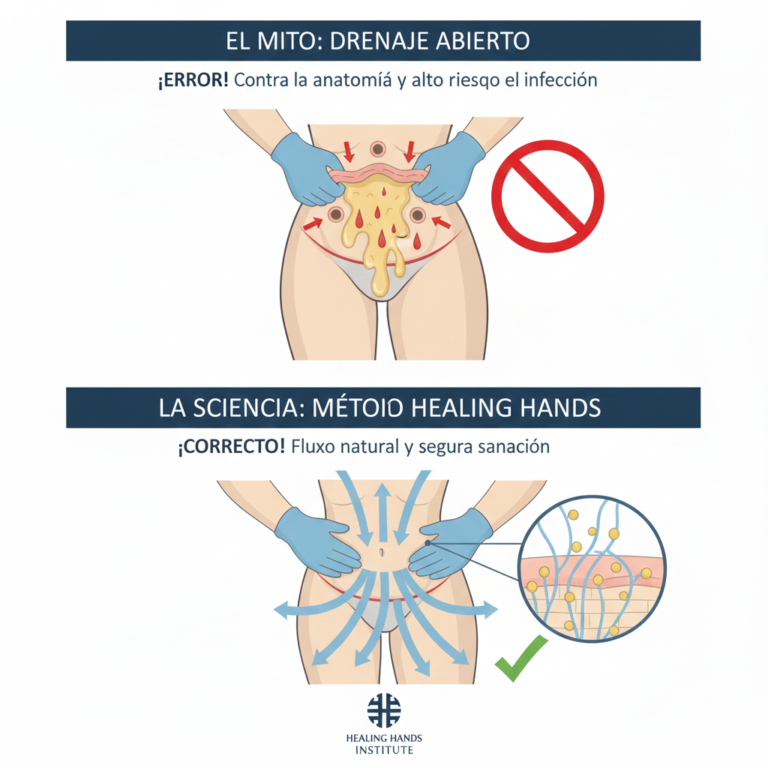
The Danger of «Open Drainage»

Why aren’t the cannula holes drainage routes? In the world of post-operative cosmetic surgery, there is a widespread but dangerous practice: attempting to «milk» or force out fluid through the...
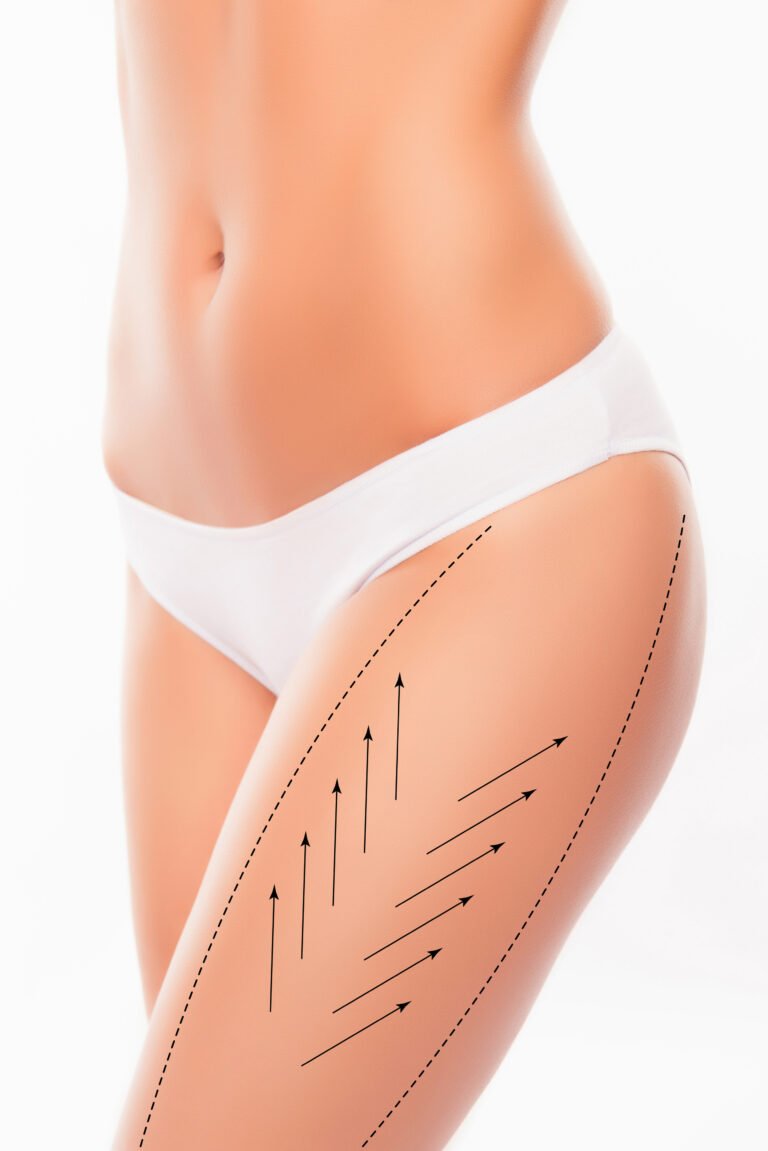
The Science of Post-Operative Care

An excellent surgical result doesn’t end in the operating room; it’s consolidated in the postoperative period. But did you know that a poorly executed drainage can ruin your investment and...

Section Title

The Lymphatic System and Posture

In the postoperative period, every technical decision has direct consequences for recovery. Operating on a patient while she is standing is not merely a matter of positional preference; it is a clinical contraindication backed by solid physiological rationale and potentially serious consequences.

Healing Hands, we understand that postsurgical recovery is not a linear process, but rather a delicate ecosystem in which circulation, the lymphatic system, repairing tissues, and the inflammatory response must be kept in balance. For this reason, every manual lymphatic drainage session is designed based on anatomy—not on convenience.

The lymphatic system lacks a central pump like the heart. Its circulation relies on three primary mechanisms: muscular contraction, diaphragmatic breathing, and—fundamentally—the pressure gradients generated by body position.

When a patient is standing, lymph must overcome gravity to ascend from the lower extremities and the abdomen—critical areas in surgeries such as abdominoplasty, liposuction, lipectomy, or body contouring procedures.

This not only slows down lymphatic flow but also promotes fluid accumulation in the lower tissues, thereby exacerbating edema rather than resolving it.

SCIENTIFIC EVIDENCE
Studies in physiotherapy and sports medicine have documented that lymphatic return in the supine or lateral decubitus position is up to 40% more efficient than in the upright position, particularly in the presence of postsurgical edema.

Gravity acts as a direct opposing force to the upward flow of lymph.
Research by Földi et al. (a global authority in decongestive therapy) establishes that horizontal positioning is an indispensable prerequisite for effective manual lymphatic drainage, as it eliminates hydrostatic resistance and promotes the opening of superficial lymphatic vessels.
Földi M., Földi E. — Textbook of Lymphology (2012) · Cubijar et al., Journal of Lymphology Research (2019)

CLINICAL CONTRAINDICATIONS
Increased Hydrostatic Pressure: In an upright position, pressure within the capillaries of distal regions increases significantly, promoting fluid filtration into the interstitium rather than its reabsorption.


Collapse of Superficial Lymphatic Vessels: Standing upright places tension on operated tissues and may compress delicate lymphatic vessels that are still undergoing postsurgical regeneration.

Risk of Liponecrosis: In areas containing transferred or injected adipose tissue (lipofilling, BBL), localized gravitational pressure may compromise the vascularization of the graft.
Activation of the Sympathetic

Nervous System: Standing—particularly under physical tension—elevates cortisol levels and triggers alert responses that induce contraction of vascular smooth muscle, thereby reducing drainage capacity.


Instability and Risk of Syncope: Many postoperative patients experience orthostatic hypotension due to analgesic medication and recent periods of rest, rendering prolonged standing hazardous.
Exacerbation of Pain: The gravitational load exerted upon sutures and inflamed tissues heightens pain perception, generating muscular tension that inhibits the drainage process.


Comparte tu aprecio
gloriarenas66
gloriarenas66
Artículos: 7