The Risk of Wood Therapy on Post-Surgical Tissue

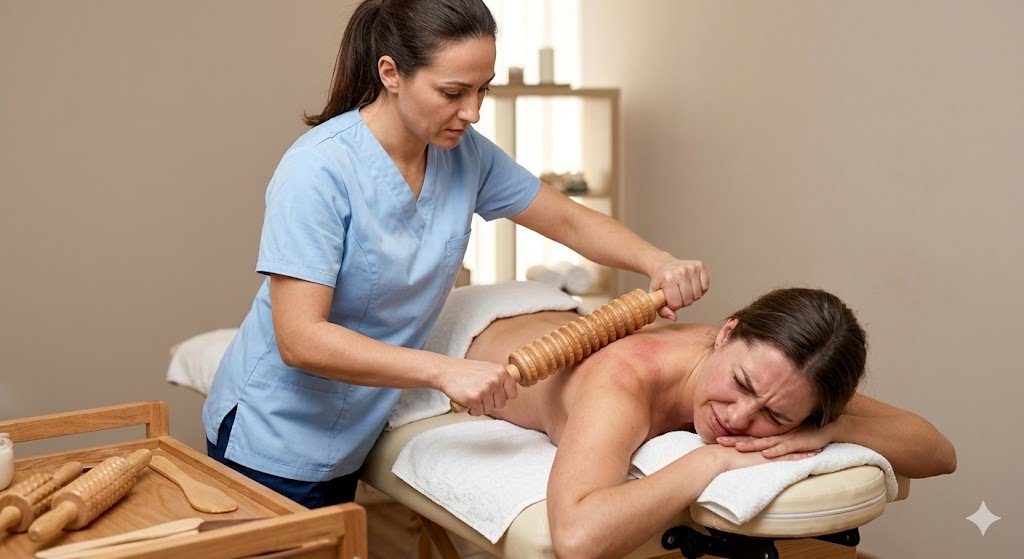
The application of wooden instruments (wood therapy) to tissue in the acute or subacute recovery phase contradicts the biological principles of tissue repair for the following reasons:
Mechanical Disruption of Connective Tissue: After surgery, the body uses fibroblasts to create immature collagen bridges. The friction and pressure of the wood exert a shear force that can break these premature bridges, causing micro-tears and increasing the risk of scar tissue fibrosis or friction seromas.
Aggression to the Damaged Lymphatic System: Post-operative care requires Manual Lymphatic Drainage (MLD), which uses pressures between 30 and 40 mmHg. Wooden implements far exceed this pressure, collapsing lymphatic capillaries instead of stimulating them and exacerbating traumatic edema.

Chronic Inflammation Due to Macrophage Activation: As you correctly mention, excessive mechanical trauma overstimulates macrophages. While these are necessary, their excessive activation in damaged tissue perpetuates an inflammatory cascade that delays epithelialization and can generate a tissue defense response resulting in abnormal hardening (fibrosis).
Microcirculatory Compromise: Aggressive «sweeping» with wood can cause ecchymosis (bruising) and damage to newly forming blood vessels, depriving the tissue of the critical oxygenation necessary for optimal recovery.
In short: Post-surgical tissue needs modulation, not aggression. Wood therapy treats the body as an inert surface, forgetting that beneath the skin there is a delicate metabolic process that requires the subtlety of expert hands, not the rigidity of an instrument

Three scientific truths the patient should know:
Lymph is delicate: The initial lymphatic vessels are located just beneath the skin and are as fine as a silk thread. The weight and hardness of the wood compress them instead of helping them drain.


Pain is not recovery: In post-operative recovery, pain indicates damage. Manual lymphatic drainage (MLD) is pleasant and reduces pain; wood therapy on recently operated tissue generates mechanical stress that the body interprets as a new injury.


Preventing fibrosis: Fibrosis is excessive and disordered scarring. The constant rubbing of a wooden stick activates a defense response that can leave the skin with permanent irregularities or calluses.


Professional Note: «A recovering body needs a therapeutic touch that guides inflammation outward, not an instrument that pushes it inward.»


Myths and Truths: All about recovery and cosmetic surgery

Postoperative Cavitation

Postoperative Cavitation: An Unnecessary Risk to Surgical Recovery In the realm of post-surgical aesthetics, there exists a very fine line between treatments that facilitate recovery and those that...
❌ What is NOT a Professional Post-Operative Care (and why it is dangerous)

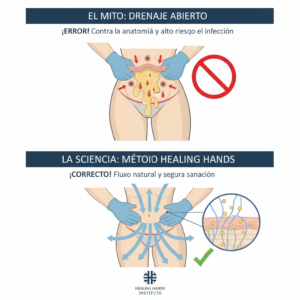
Squeezing or «pressing» incisions:1- The mistake: Forcing fluid out by pressing on open wounds.The scientific reality: This traumatizes the tissue, breaks healthy capillaries, and increases the risk...
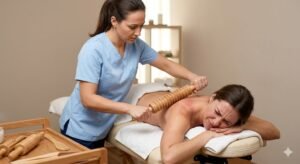
The Risk of Wood Therapy on Post-Surgical Tissue

The application of wooden instruments (wood therapy) to tissue in the acute or subacute recovery phase contradicts the biological principles of tissue repair for the following reasons:Mechanical...
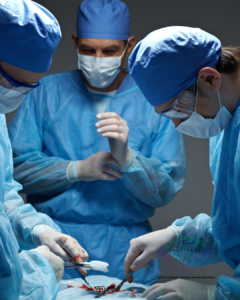
The Danger of «Open Drainage»

Why aren’t the cannula holes drainage routes? In the world of post-operative cosmetic surgery, there is a widespread but dangerous practice: attempting to «milk» or force out fluid through the...
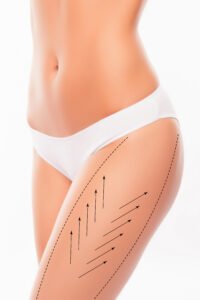
The Science of Post-Operative Care

An excellent surgical result doesn’t end in the operating room; it’s consolidated in the postoperative period. But did you know that a poorly executed drainage can ruin your investment and...
Comparte tu aprecio
gloriarenas66
gloriarenas66
Artículos: 5